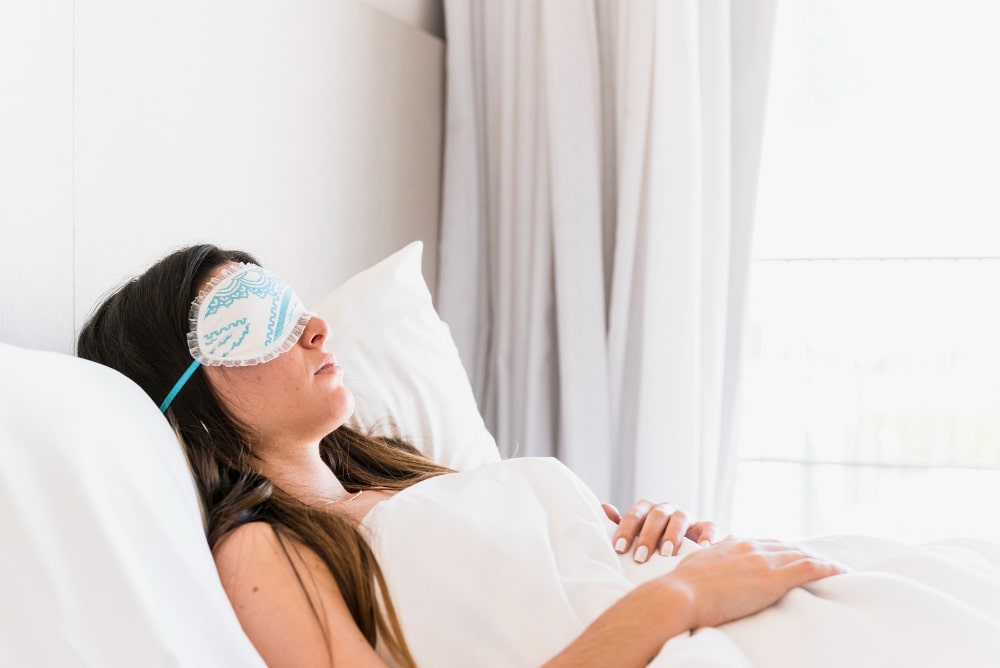
A healthy sleep routine is essential for both your physical and mental well-being. Poor sleep can worsen stress, anxiety, and depression, while good sleep strengthens emotional resilience, improves focus, and supports overall health. Use the tips below to optimize your sleep habits.
Why Sleep Hygiene is Important
Sleep hygiene refers to habits and practices that help ensure quality sleep. Good sleep:
- Improves mood and reduces irritability.
- Helps regulate emotions and cope with stress.
- Enhances concentration and decision-making.
- Reduces the risk of mental health conditions such as anxiety and depression.
Tips for Good Sleep Hygiene
- Establish a Routine
- Go to bed and wake up at the same time every day, including weekends.
- Consistency strengthens your body’s internal clock and improves sleep quality.
- Create a Comfortable Sleep Environment
- Keep your bedroom quiet, dark, and cool.
- Use room-darkening shades, blackout curtains, or a white noise machine if needed.
- Avoid Stimulants
- Avoid caffeine, nicotine, and alcohol within a few hours of bedtime.
- These substances can interfere with your ability to fall or stay asleep.
- Exercise Regularly
- Engage in physical activity during the day to help you sleep better at night.
- Avoid vigorous exercise right before bedtime, as it may be too stimulating.
- Avoid Heavy Meals Before Bed
- Limit heavy, spicy, or acidic foods in the evening.
- If you’re hungry, opt for a light snack like a banana or a handful of nuts.
- Limit Naps
- Avoid long naps, especially in the late afternoon or evening.
- If you nap, aim for 20 minutes and keep it consistent each day.
- Relax Before Bed
- Establish a calming bedtime routine, such as taking a warm bath, reading, or meditating.
- Avoid activities that are mentally or emotionally stimulating.
- Limit Screen Time
- Turn off electronic devices like phones, tablets, and computers at least an hour before bedtime.
- Blue light from screens can interfere with your body’s production of melatonin, the sleep hormone.
- Get Daylight Exposure
- Spend time outside or near a bright window during the day.
- Natural light helps regulate your sleep-wake cycle.
What to Do if You’re Struggling with Sleep
- Keep a sleep diary to track your sleep patterns and identify triggers for poor sleep.
- If problems persist, talk to a healthcare provider or consider cognitive behavioral therapy for insomnia (CBT-I).
Your Sleep, Your Mental Health
Quality sleep is a cornerstone of mental health. By practicing good sleep hygiene, you can improve your emotional resilience, reduce stress, and create a foundation for better mental well-being. Start making small changes today for a brighter tomorrow.